Biography
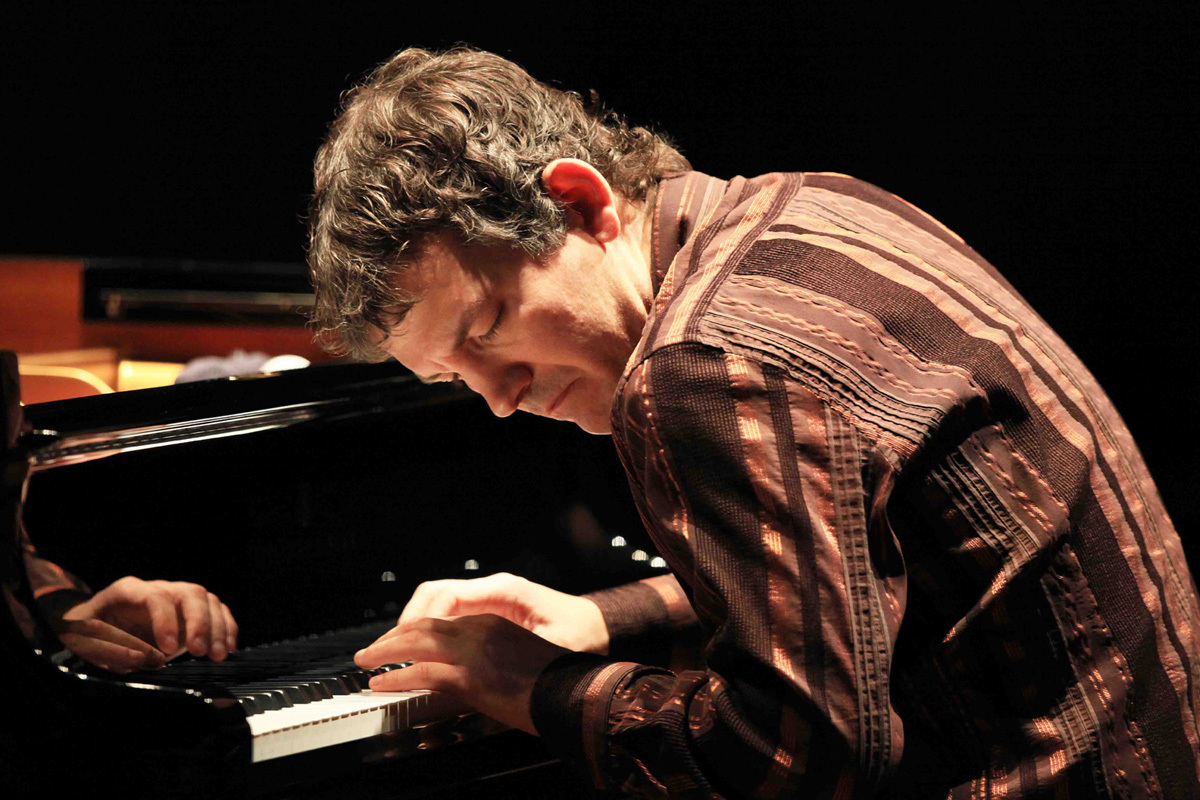
Brad Mehldau was born on August 23, 1970, in Jacksonville, Florida. He grew up in a musical family and began playing piano at an early age, influenced by classical repertoire and jazz recordings. By his teenage years, he was performing locally and showing an exceptional ability to synthesize classical technique with jazz improvisation.
He attended The New School for Jazz and Contemporary Music in New York City, studying under jazz luminaries such as Fred Hersch and Jim McNeely. In the 1990s, Mehldau emerged on the New York jazz scene, gaining attention for his nuanced touch, lyrical phrasing, and sophisticated harmonic sense. During this period, he became a member of the Joshua Redman Quartet, which helped cement his reputation as one of the leading young pianists of his generation.
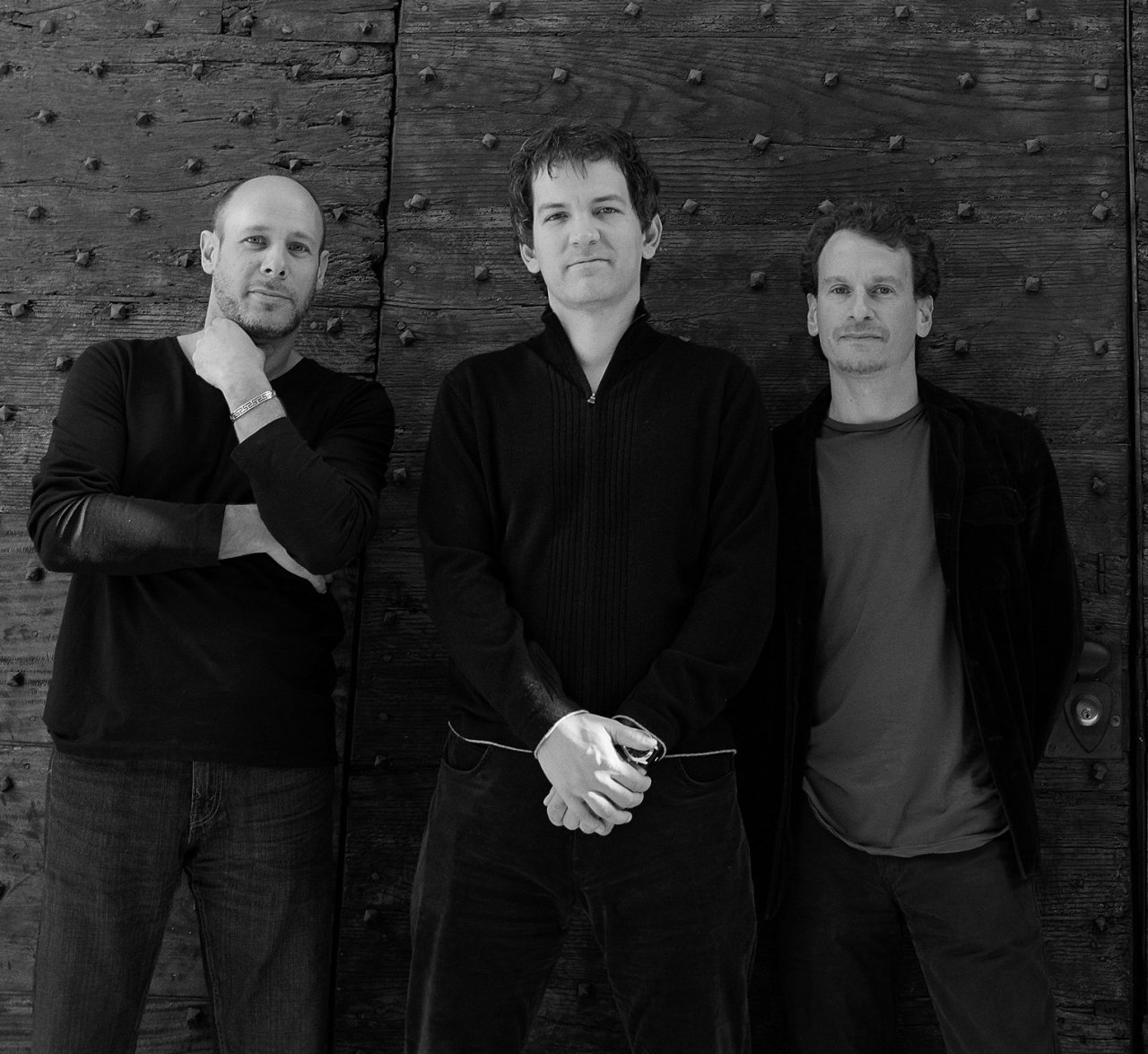
Over the years, Mehldau has released numerous recordings as a leader, both solo and with his long-standing trio featuring Larry Grenadier on bass and Jeff Ballard (formerly Jorge Rossy) on drums. He has collaborated with a wide range of artists, from Joshua Redman to Pat Metheny, and has performed internationally at major jazz festivals. His work bridges jazz, classical, and contemporary popular music, earning him a reputation as one of the most intellectually and emotionally compelling pianists of his era.
Influences
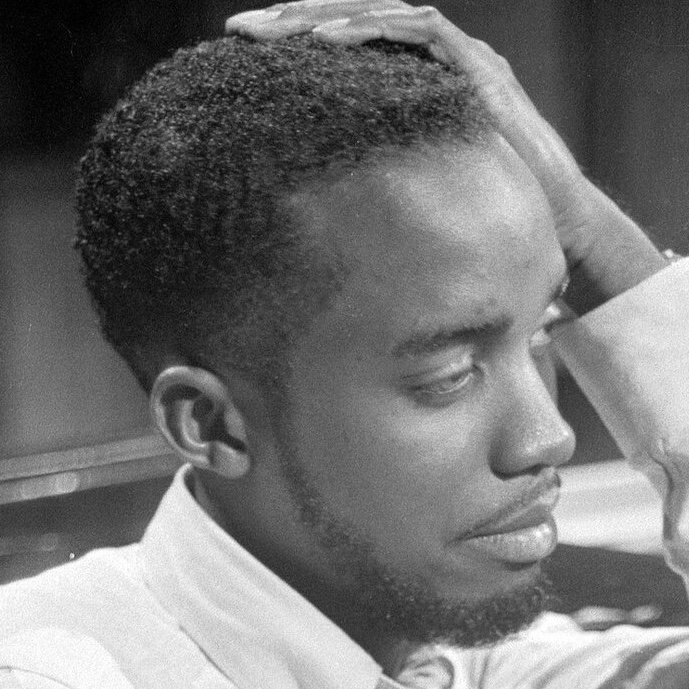
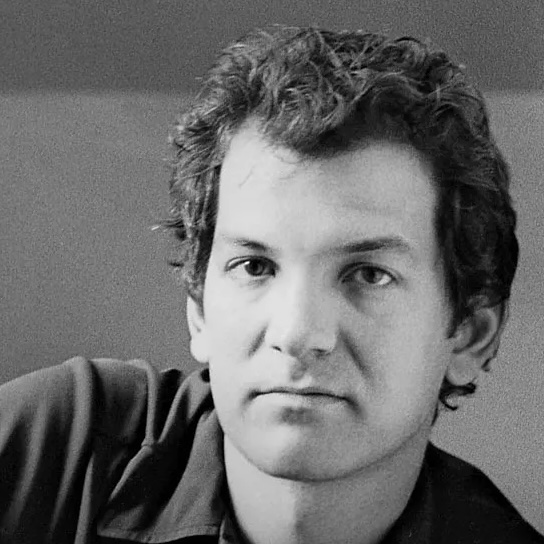 Brad Mehldau
Contributions to jazz
Mehldau expanded the modern jazz piano trio through a highly contrapuntal, rhythmically elastic approach that treated the ensemble less hierarchically. His improvisations use the initial melody as its springboard, and both hands contain their own melodic content. This emphasis on voice-leading, motivic development, and long-form improvisation reshaped expectations for trio interaction.
Equally significant is Mehldau’s reconfiguration of the jazz repertoire in the late 20th and early 21st centuries. His reinterpretations of popular songs—drawing as readily from the Beatles, Paul Simon, and Radiohead—shows how well that kind of songwriting could sustain the same depth of harmonic and formal exploration as traditional jazz standards. In doing so, he helped usher certain pop and rock songs into the jazz canon, making their case as vehicles for serious improvisational consideration.
Contributions to jazz piano
Brad Mehldau’s approach to jazz piano is defined by a synthesis of classical rigor and jazz improvisational freedom. His playing is distinguished by contrapuntal textures, independent left-hand lines, and a deep concern for voice-leading, allowing melody and harmony to unfold simultaneously. Combined with a highly elastic sense of time and a lyrical yet analytical improvisational voice, these traits have made him one of the most influential pianists of the early 21st century.
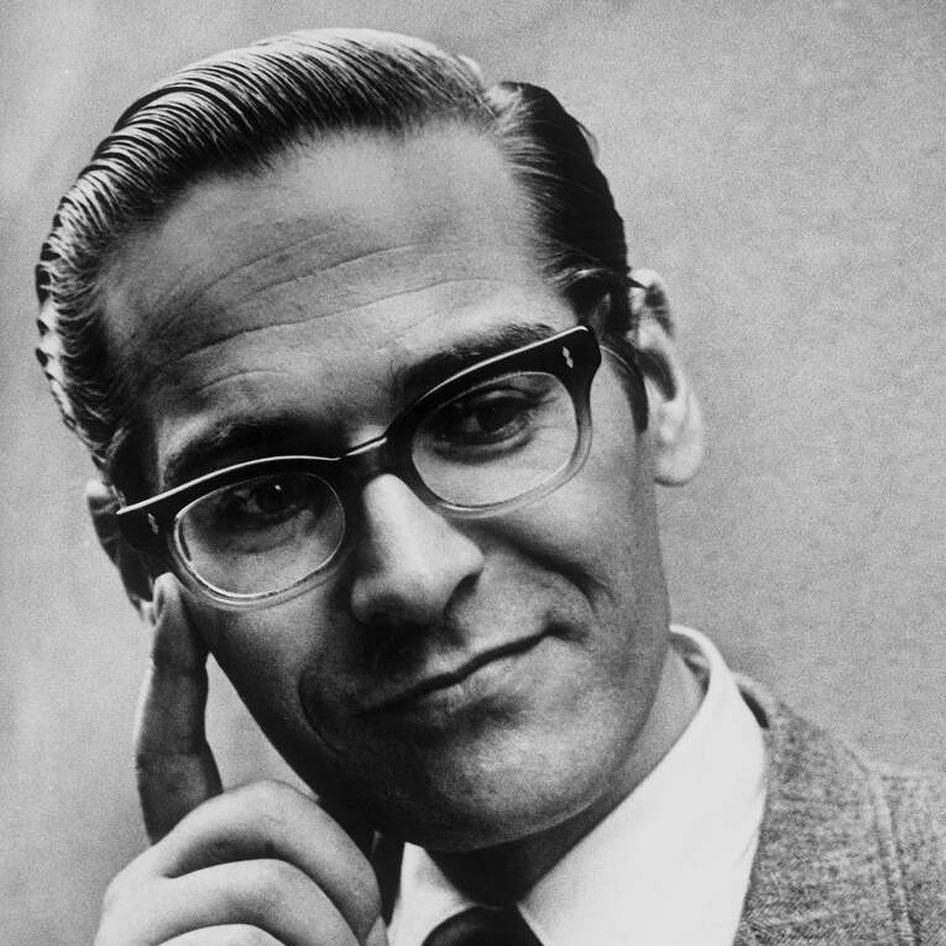
Early in his career, Mehldau was frequently compared to Bill Evans—a comparison he openly resisted. While Evans’s influence is undeniable, Mehldau’s work in the Art of the Trio recordings of the late 1990s established his maturing personal language rooted in contrapuntal thinking, extended formal development, and an expanded repertoire. Rather than clarifying his influences, Mehldau created a body of work that redefined the modern jazz piano trio and set new expectations for what jazz piano could encompass.