Biography
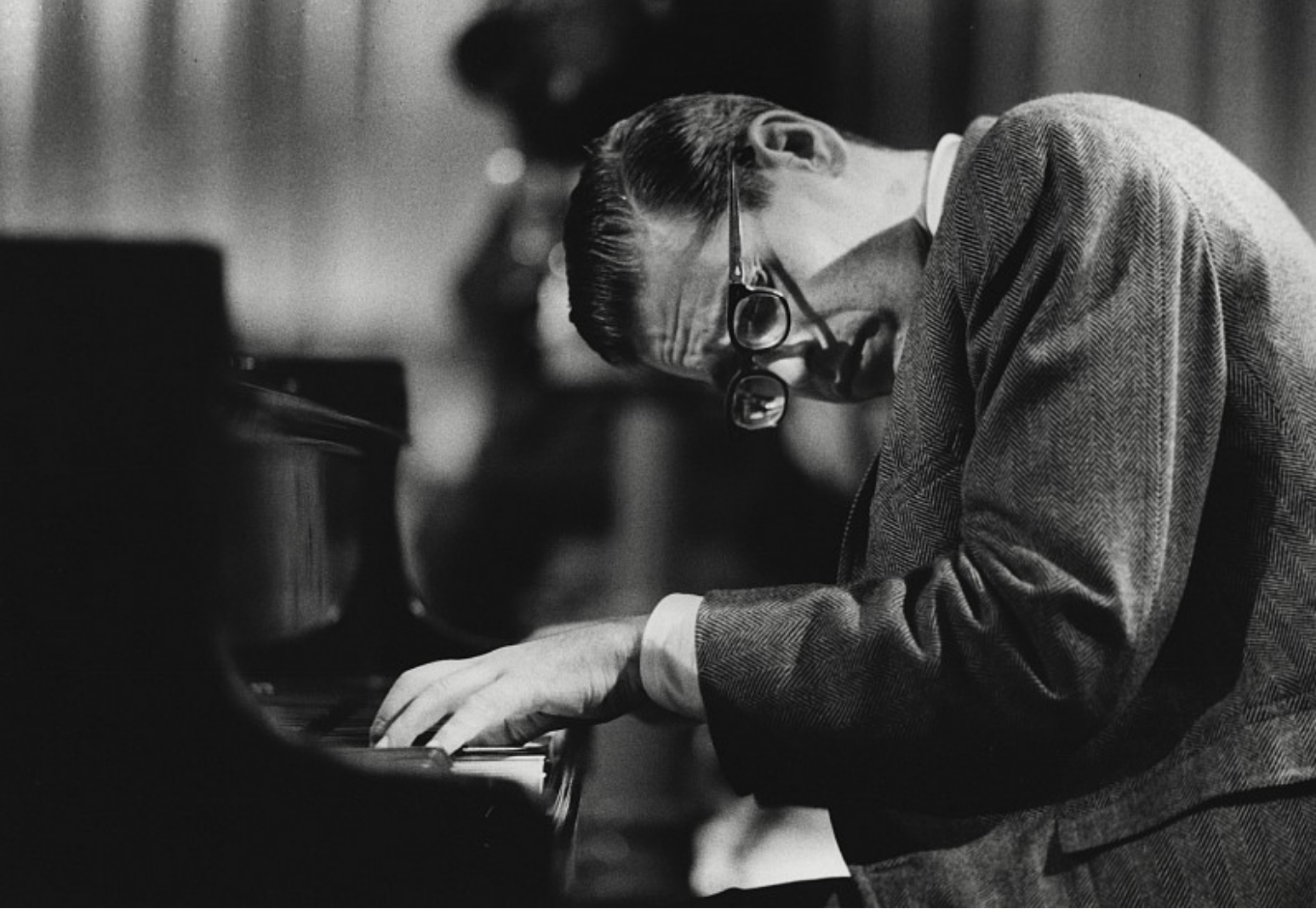
Bill Evans was born in Plainfield, New Jersey, in 1929 and grew up in a musically rich environment, beginning piano studies at age six. His early exposure to classical music, particularly Debussy and Ravel, deeply influenced his harmonic sensibilities, and he later attended the Mannes School of Music in New York. Evans’ combination of rigorous classical training and natural jazz instinct shaped the delicate, introspective style that would become his signature.
After serving in the U.S. Army, Evans moved to New York City, where he became an in-demand accompanist and sideman. He gained significant attention in the 1950s for his work with George Russell, where he contributed to the development of the Lydian Chromatic Concept of Tonal Organization. However, Evans’ breakthrough came when he joined the Miles Davis Sextet in 1958, most famously contributing to the landmark album Kind of Blue. His lyrical, impressionistic approach to harmony and touch helped redefine modern jazz piano accompaniment.
In 1959, Evans formed his first trio with bassist Scott LaFaro and drummer Paul Motian, establishing a model of interactive trio interplay that became highly influential. Despite personal struggles with addiction and the tragic death of LaFaro in 1961, Evans continued to innovate throughout the 1960s and 1970s, performing with numerous acclaimed ensembles, recording prolifically, and influencing generations of jazz musicians before his death in 1980.
Influences
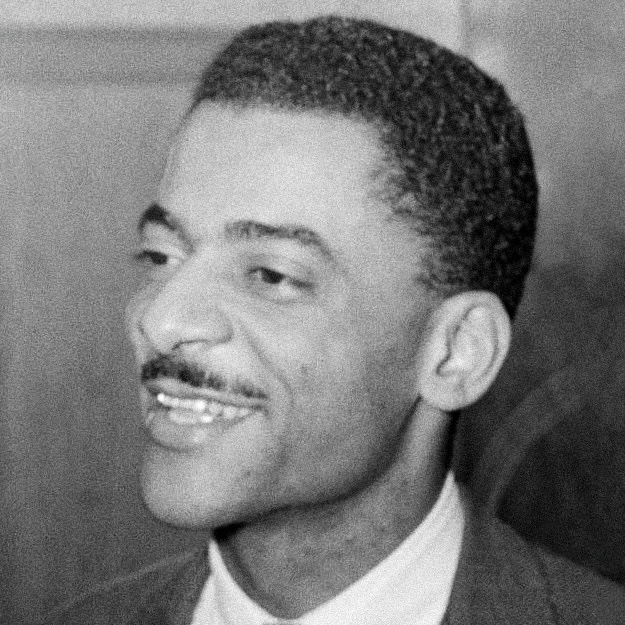

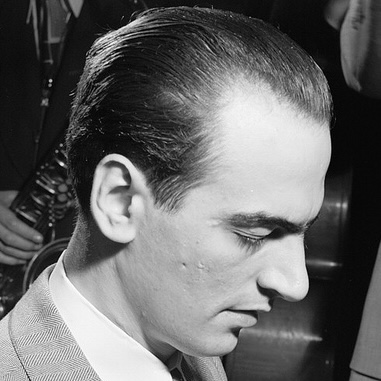
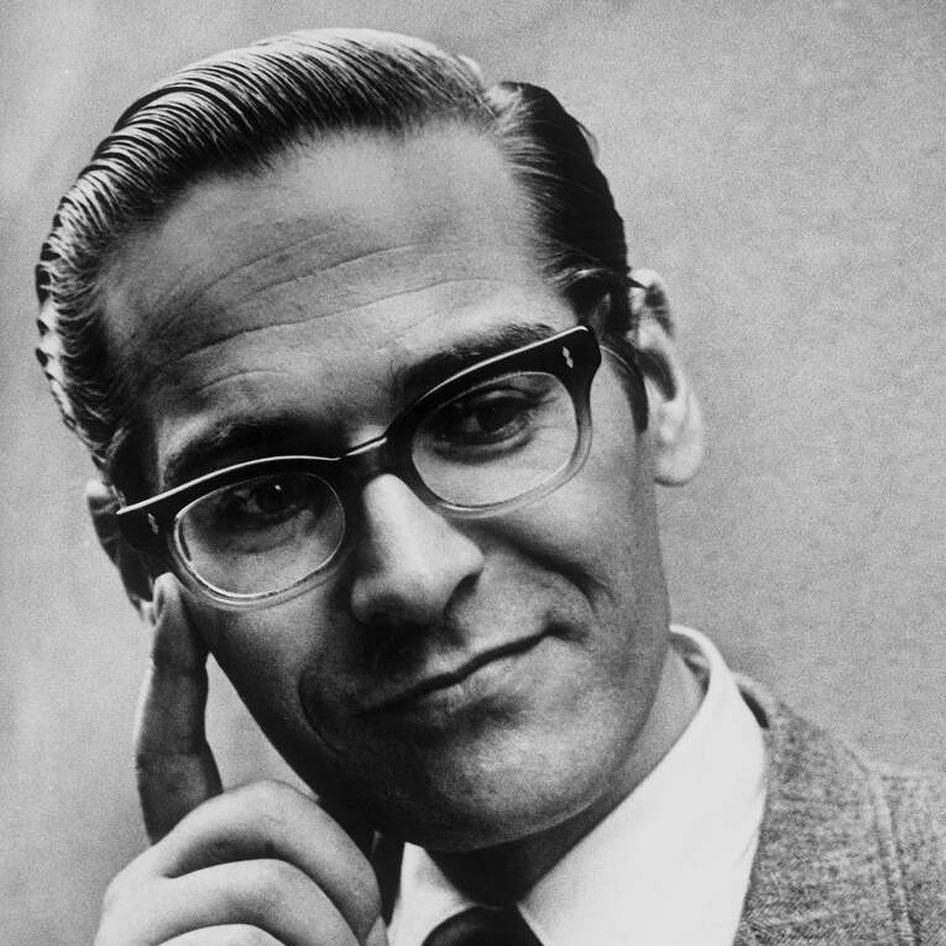 Bill Evans
Contributions to jazz
Evans’ contributions to jazz are vast, particularly in shaping the language of post-bop and modal jazz. His work on Kind of Blue helped define modal jazz’s harmonic framework, influencing countless jazz musicians. Beyond his recordings, his development of a conversational trio style—with equal emphasis on piano, bass, and drums—altered the way jazz ensembles functioned, moving away from a purely soloist-focused approach toward more democratic musical interplay.
Additionally, Evans’ compositions, such as “Waltz for Debby”, “Peace Piece”, and “Turn Out the Stars”, demonstrated his unique harmonic voice and emotional depth. These pieces have become jazz standards and exemplify his poetic, introspective approach. He bridged the gap between classical and jazz influences, expanding the expressive possibilities of jazz composition and ensemble playing.
Contributions to jazz piano
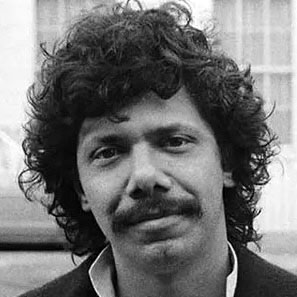
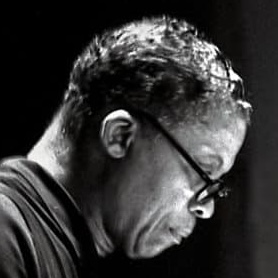
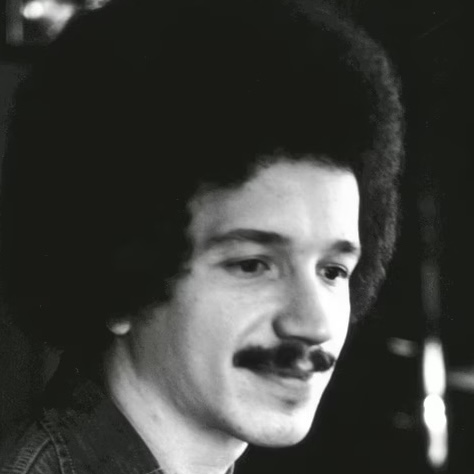
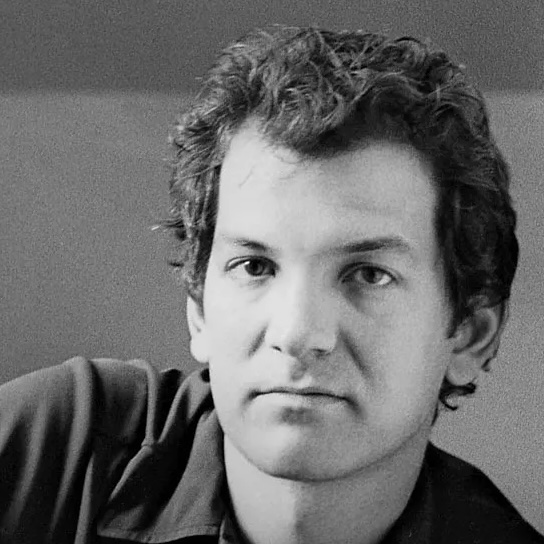
Bill Evans transformed jazz piano with his delicate touch, rich voicings, and harmonic sophistication. His use of rootless chord voicings, impressionistic harmonies, and subtle rhythmic phrasing set a new standard for piano trio interplay. Pianists from Herbie Hancock to Keith Jarrett cite Evans’ lyrical, introspective style as a defining influence on their own approach to harmony and group interaction.