Biography
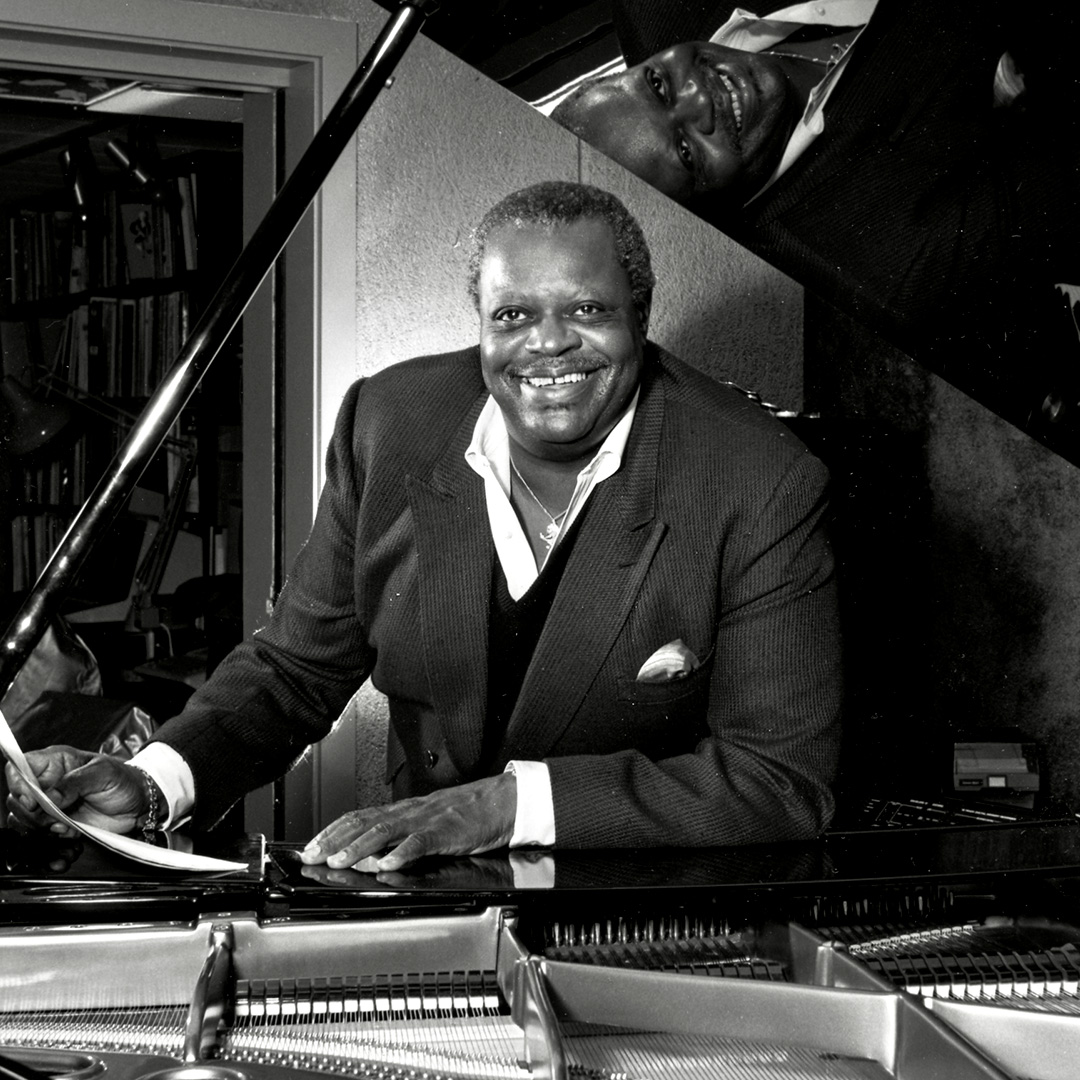
Oscar Emmanuel Peterson was born and raised in Montreal, Canada, to West Indian immigrant parents from Saint Kitts, Nevis, and the British Virgin Islands. Under his father’s rigorous practice regimen and later studies with Hungarian-born pianist Paul de Marky (whose teacher was a pupil of Liszt), Peterson studied Bach, Chopin, and Liszt as a child, developing formidable technical command before turning his attention seriously to jazz.
Already working as a professional pianist, Peterson’s breakthrough to international fame came in 1949 when impresario Norman Granz heard him on a radio broadcast from a Montreal club and immediately signed him to perform at Carnegie Hall with Jazz at the Philharmonic. Granz became Peterson’s manager for most of his career, and their relationship extended beyond business—Peterson credited Granz with standing up for him and other Black jazz musicians during the segregated American South of the 1950s and 1960s.
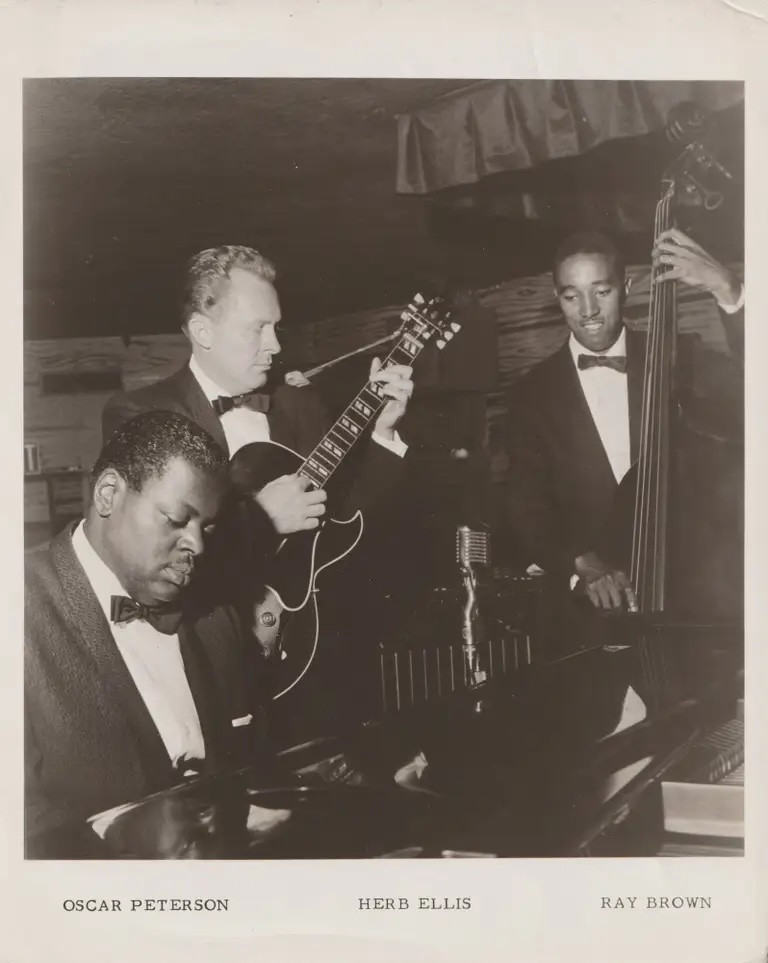
In 1953, Peterson formed what would become his most celebrated trio with bassist Ray Brown and guitarist Herb Ellis. In addition to extensive touring and performances, the group served as the “virtual house rhythm section” for Norman Granz’s Verve Records, supporting the likes of tenor saxophonists Ben Webster and Stan Getz, as well as trumpeters Dizzy Gillespie and Roy Eldridge. Along with Buddy Rich, they were also the rhythm section for the historic “comeback” duet albums by Ella Fitzgerald and Louis Armstrong.
Over his six-decade career, Peterson released more than 200 recordings and won eight Grammy Awards, including a Lifetime Achievement Award in 1997. In 1993, a stroke weakened his left side and removed him from performing for two years, though he later returned to occasional performances with his playing relying principally on his right hand.
Beyond performing, Peterson was deeply committed to education, teaching at York University where he served as Chancellor from 1991 to 1994, and authoring instructional materials including his influential four-volume Jazz Exercises and Pieces for the Young Jazz Pianist. Peterson passed away in 2007 at his home in Mississauga, Ontario.
Influences
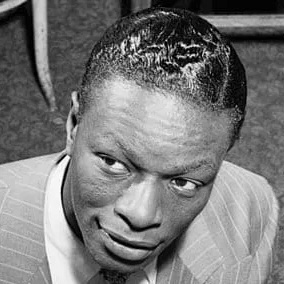
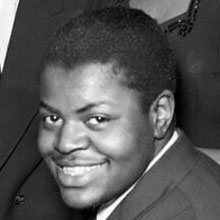 Oscar Peterson
Contributions to jazz
Peterson led the way in establishing a space for Canadian jazz legends on the international music scene during the postwar era. His partnership with Norman Granz placed him before large concert audiences at a time when jazz was increasingly moving into clubs and specialized venues.
His Oscar Peterson Trio, particularly in its iteration with Ray Brown and Herb Ellis formed in 1953, became one of the most cohesive and dynamic ensembles in jazz history, setting new standards for small-group jazz through their telepathic interplay and rigorous rehearsals. Peterson insisted on equality among trio members, with Ellis and Brown pushing him to new creative heights through their virtuosic interplay.
As a composer, Peterson created works that extended beyond jazz performance into social commentary and national identity. His composition “Hymn to Freedom” (1962) became an anthem for the civil rights movement, while his Canadiana Suite (1965)—described as “a musical portrait of the Canada I love”—remains his best-known compositional work. Peterson used his platform to speak out against racism both through his words and his music, with “Hymn to Freedom” becoming an unofficial anthem of the civil rights movement.
Contributions to jazz piano
Peterson’s impact on jazz piano encompassed multiple dimensions. Herbie Hancock stated that “Oscar Peterson redefined swing for modern jazz pianists for the latter half of the 20th century,” adding that Peterson “mastered the balance between technique, hard blues grooving, and tenderness.” His approach to comping—providing harmonic and rhythmic support behind other soloists—was as inventive as his own solos, making him a model for complete musicianship.
Peterson also fundamentally raised the technical bar for what was possible on the jazz piano. He demonstrated mastery of multiple stylistic techniques, including Art Tatum’s stride piano, the two-fingered percussiveness of Nat Cole, the lyric octave work of Erroll Garner, and double octave melody lines. Somewhat isolated from the bebop revolution centered in New York City, Peterson initially perfected a more traditional style based on boogie-woogie, stride, and other four-to-the-bar techniques, though he later incorporated the more angular, aggressive motifs of modern jazz into his solos.
Oscar Peterson describes it all himself in an interview with Dick Cavett:
He encompasses everything.
— Carmen McRae
I was in awe. Every jazz pianist would soon know that Oscar was a master.
— Dave Brubeck
Listen
An interview with Andre Previn: