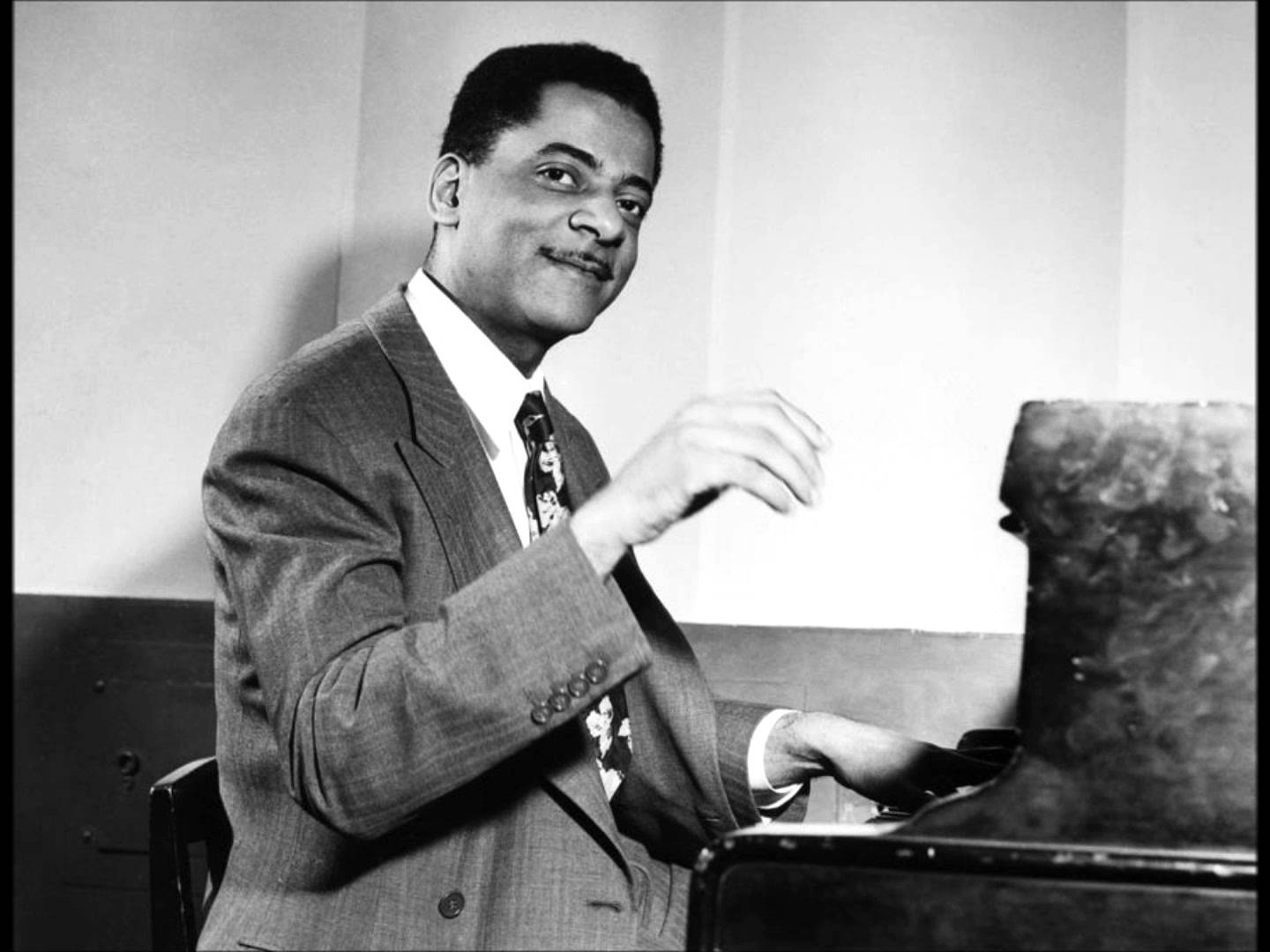
Biography
Teddy Wilson was born in Austin, Texas, to parents who were both academics. His family moved to Tuskegee, Alabama in 1918, where Wilson began classical piano studies at age seven and later studied violin, clarinet, and oboe at Tuskegee institute. Wilson moved to Detroit in 1929, where witnessing Art Tatum perform in a nightclub profoundly shaped his musical direction.
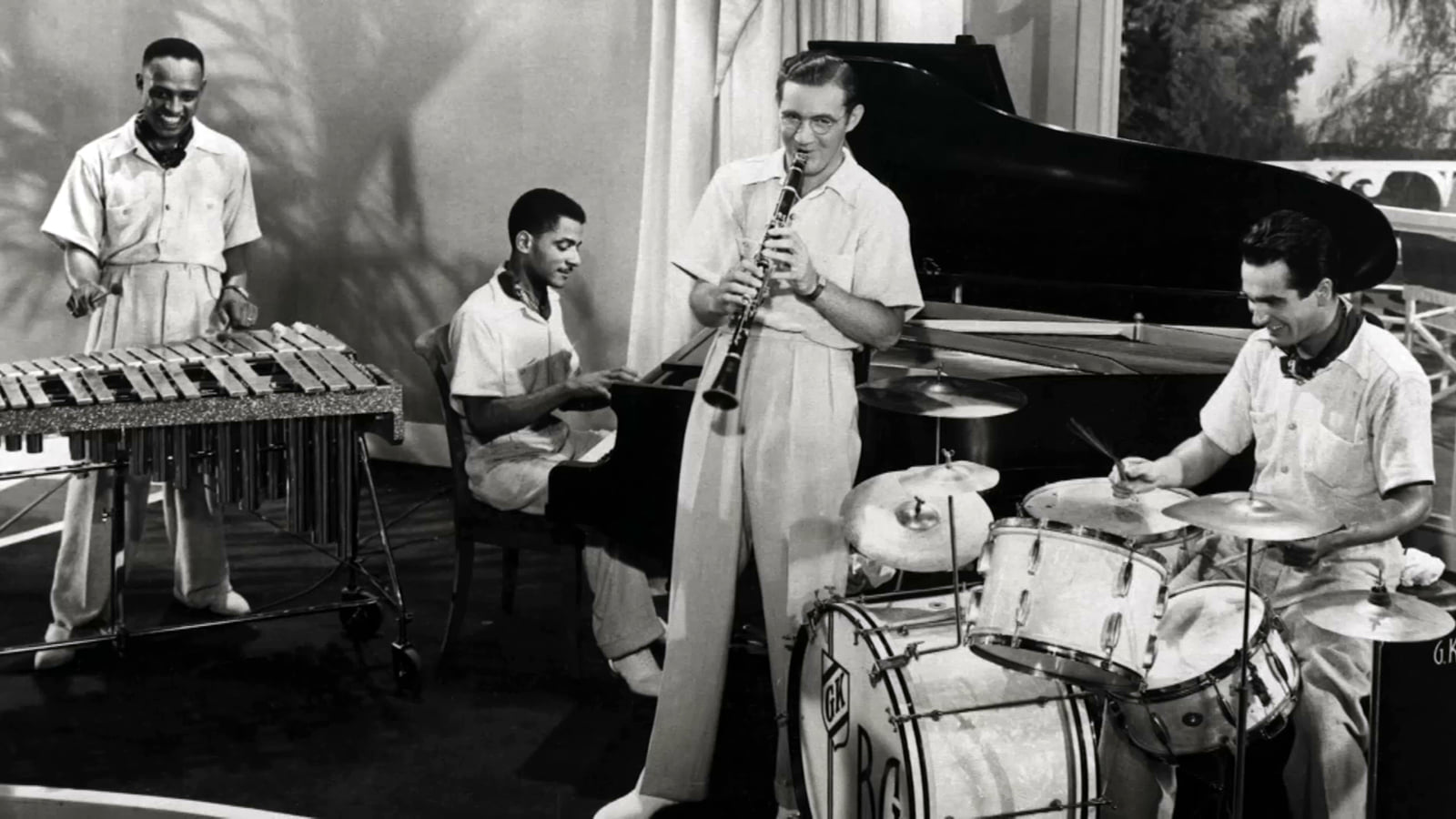
In 1935, while jamming at a house party with Benny Goodman and drummer Gene Krupa, they caught the attention of producer John Hammond, who arranged recording sessions that became the basis of the Benny Goodman Trio. Wilson’s participation in this ensemble made him among the first Black musicians to perform prominently in a racially integrated group.
After leaving Goodman’s band in 1939, Wilson formed a short-lived big band, followed by a sextet at Café Society until 1944. He then taught at the Juilliard School, becoming one of the first jazz musicians to do so. He continued performing, recording, and teaching throughout his career until his death in 1986, at age 73.
Influences
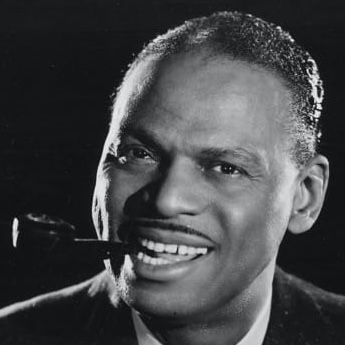
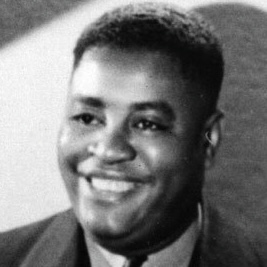
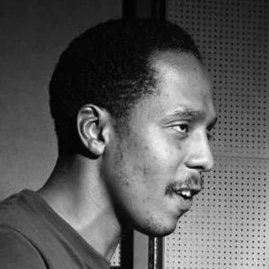
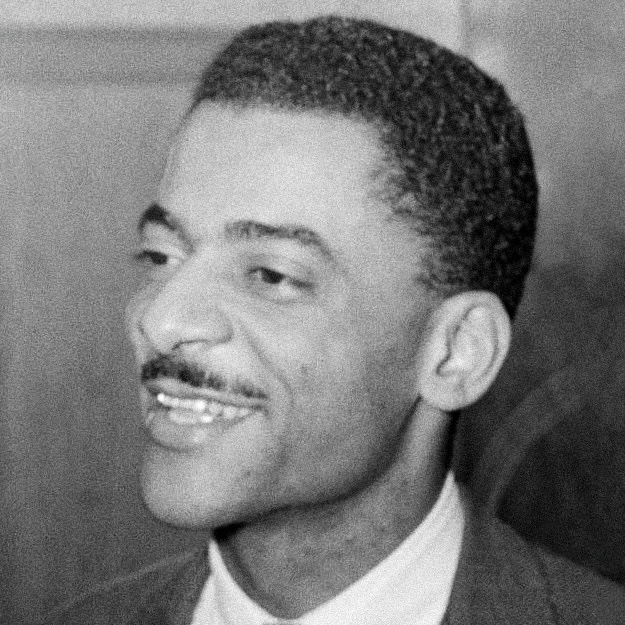 Teddy Wilson
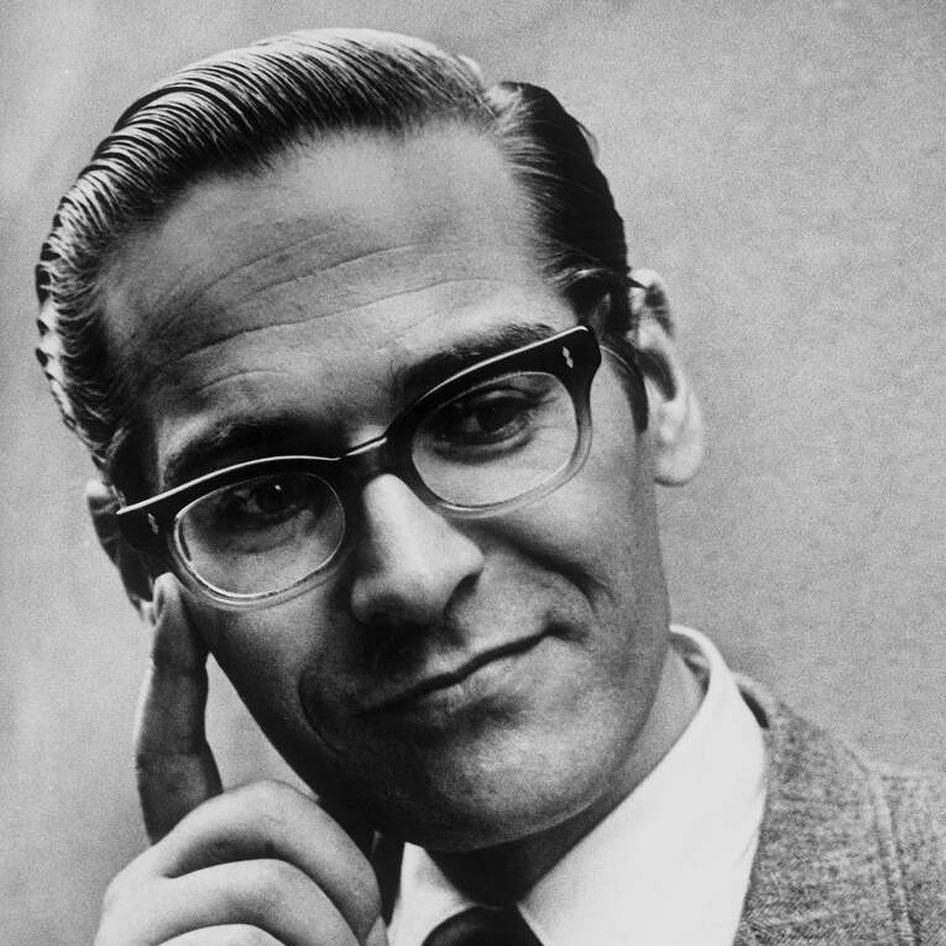
Contributions to jazz
With the advent of microphone technology, Teddy Wilson modernized pianistic articulation in contrast to the raw energy of stride piano, establishing an elegant and sophisticated approach that became the template for swing era piano playing. Technical innovations include:
- Refined touch and texture. Wilson emphasized a light, precise touch with a mellow quality, enabling metrically immaculate single-note lines and feather-light octaves in the right hand that mimicked brass instruments.
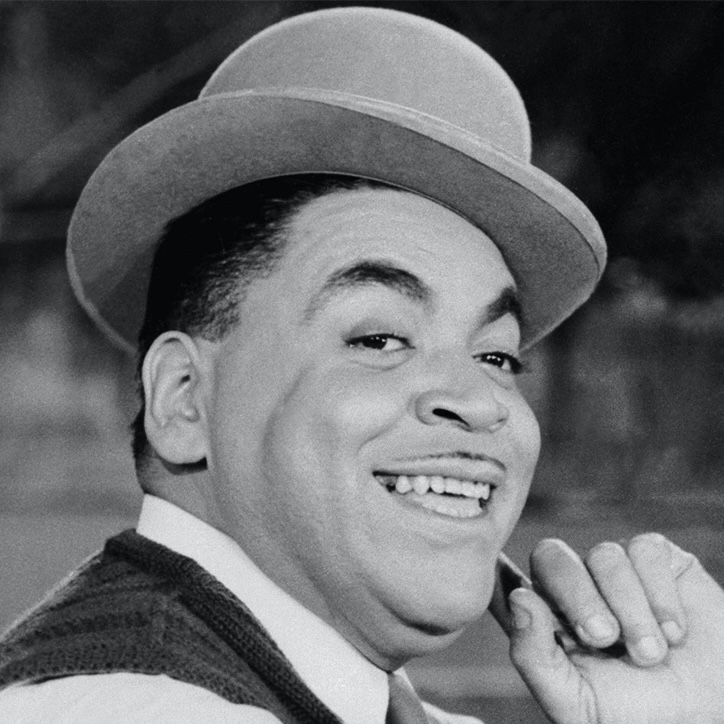
- Modified stride approach. Unlike the dense block chords of contemporaries like Fats Waller, Wilson employed consecutive and walking tenths in the left hand to imply arpeggios while maintaining harmonic flow and contrapuntal movement.
- Harmonic sophistication. His talent for improvisation enabled him to produce intricate counterpoint lines that complemented whatever soloist he performed with, using short single-note phrases, tenth chords in the left hand, and provocative dissonance Texas State Historical Association Consistent dynamics and phrasing: Wilson’s playing was characterized by consistent dynamic expression with an elegant touch, fluid runs, and gracefully relaxed rhythmic coordination with clean and even phrasing.
Equally significant was Wilson’s role as a catalyst for racial integration in jazz performance. In 1936, the Benny Goodman Trio became the first interracial band to perform in public. Though not an activist in temperament, his consistent presence in integrated groups—under intense public scrutiny—made him an emblem of professionalism and restraint in the face of discrimination. The Goodman Trio stands as a benchmark moment in jazz history, not only musically but socially, illustrating how artistic excellence could challenge entrenched norms.
Wilson collaborated with numerous vocalists to create some of the most enduring recordings in jazz history. In particular, Wilson’s ability to find the right sound to complement Billie Holiday’s voice, along with sessions featuring Lester Young and other swing masters, established the small-group jazz aesthetic that influenced the chamber jazz movement.
Contributions to jazz piano
Wilson transformed jazz piano by lightening its texture and refining its touch. Building on the traditions of Fats Waller and Earl Hines, he removed much of the weight and percussiveness associated with early jazz and stride, replacing it with a streamlined, flowing approach marked by clarity, elegance, and impeccable rhythmic control. His improvisations—especially at fast tempos—were noted for their evenness and grace, as though every note received equal care and intention.
Because of this polished surface, Wilson is sometimes mistakenly labeled a “cocktail pianist.” In reality, his melodic imagination, harmonic subtlety, and deep sense of swing place him firmly among the architects of modern jazz piano. His influence can be heard in generations of pianists who valued refinement, balance, and musical poise as much as virtuosity.
Listen
Teddy Wilson jazz concert at Juilliard, July 31, 1952