Biography
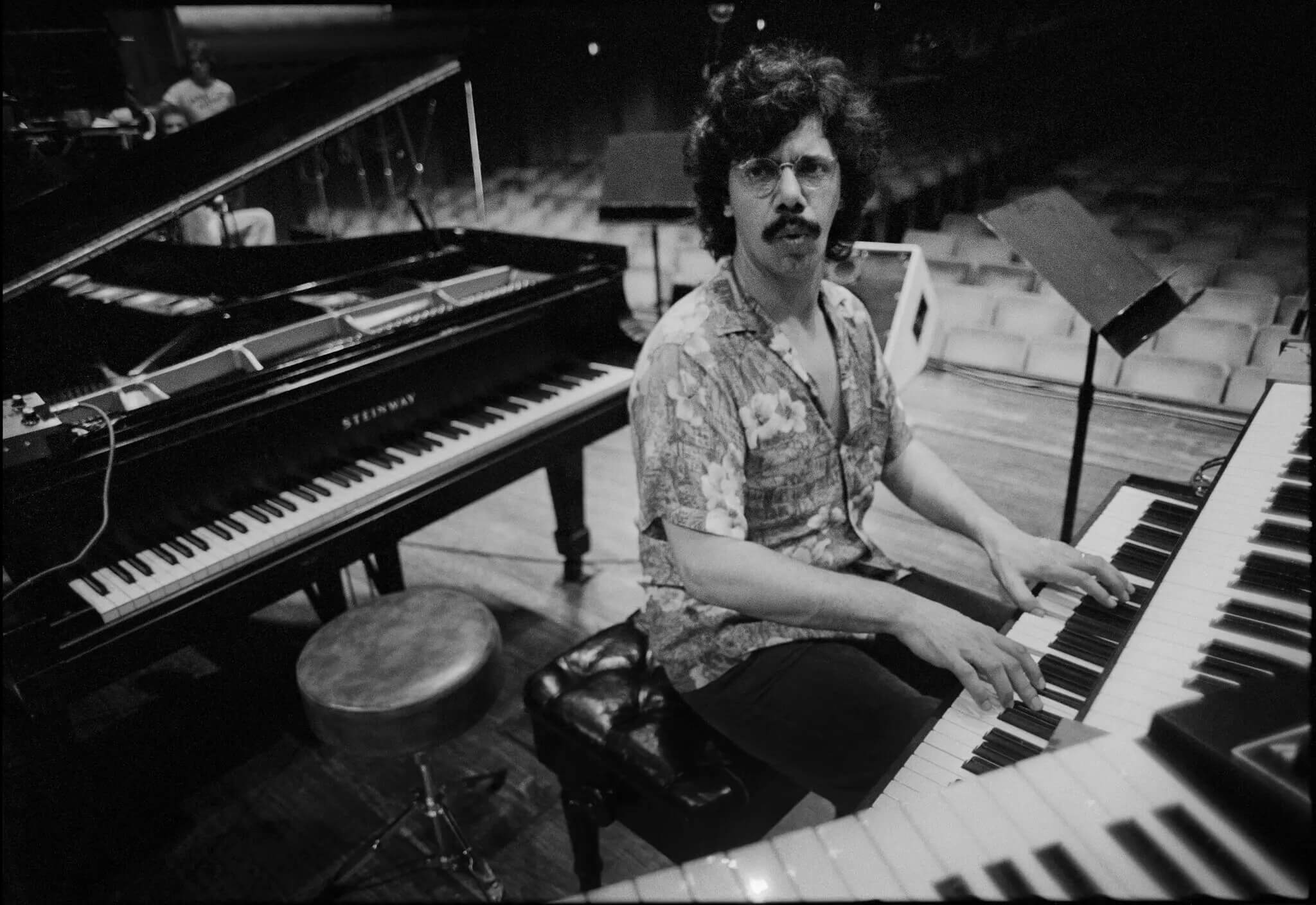
Chick Corea, born Armando Anthony Corea in Chelsea, Massachusetts, was a pianist, composer, and bandleader whose career reshaped modern jazz. He began piano lessons with his father, a trumpeter who led New Orleans-style band in Boston, then received formal classical training during his lessons with a concert pianist.
After briefly attending Juilliard, Corea left school to pursue professional work, gaining early experience with Mongo Santamaría, Blue Mitchell, and Stan Getz. In 1968, he succeeded Herbie Hancock in Miles Davis’s so-called “lost quintet,” a transitional ensemble that reflected Davis’s growing interest in electric instruments, rock, and funk. Corea’s use of electric keyboards on In a Silent Way and Bitches Brew helped define the sound of jazz fusion, positioning him at the forefront of one of jazz’s most consequential stylistic shifts.
As a leader, Corea’s restless creativity led to an extraordinary range of projects, from the avant-garde Circle quartet to the Latin-inflected and genre-defining Return to Forever, as well as later groups like the Elektric Band and Akoustic Band. He balanced innovation with accessibility, composing enduring works such as “Spain”, “La Fiesta”, and “500 Miles High”, while continually reinventing his approach to ensemble playing and improvisation. Over a career spanning more than six decades, Corea earned 23 Grammy Awards and left an enduring legacy as one of jazz’s most influential pianists and composers, until his death in 2021.
Influences
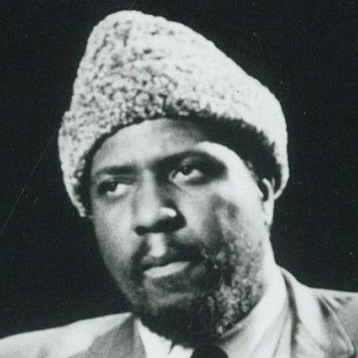
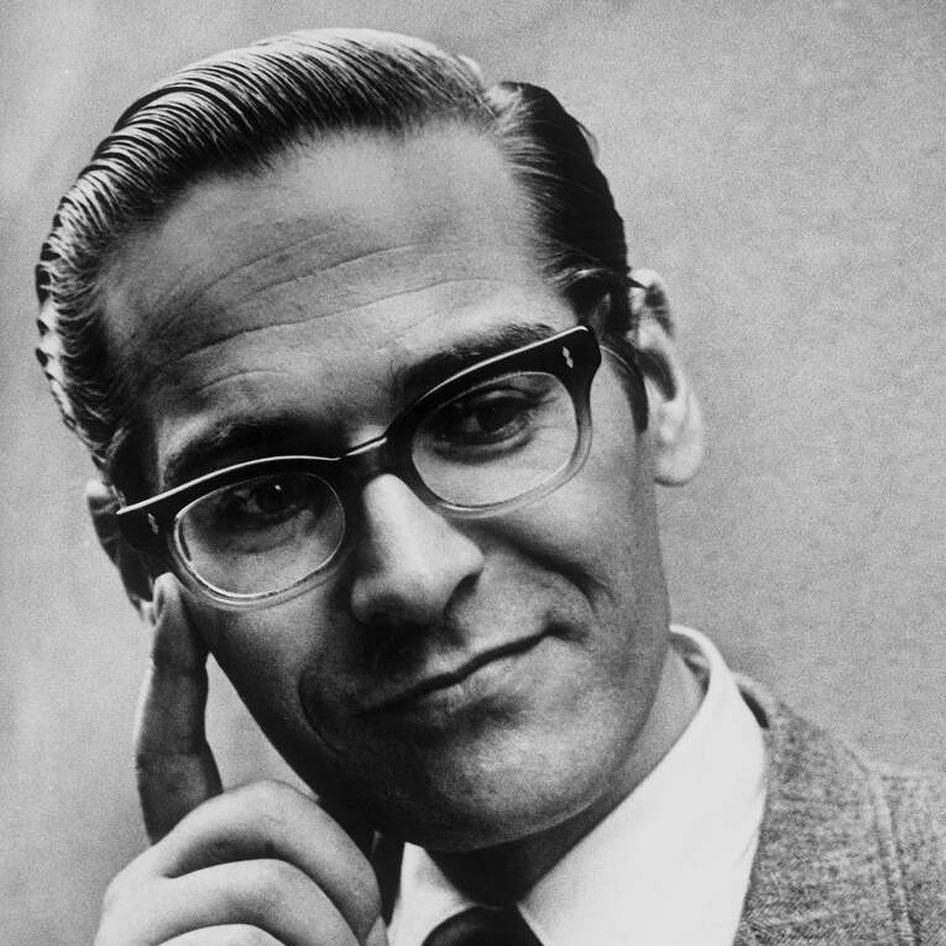
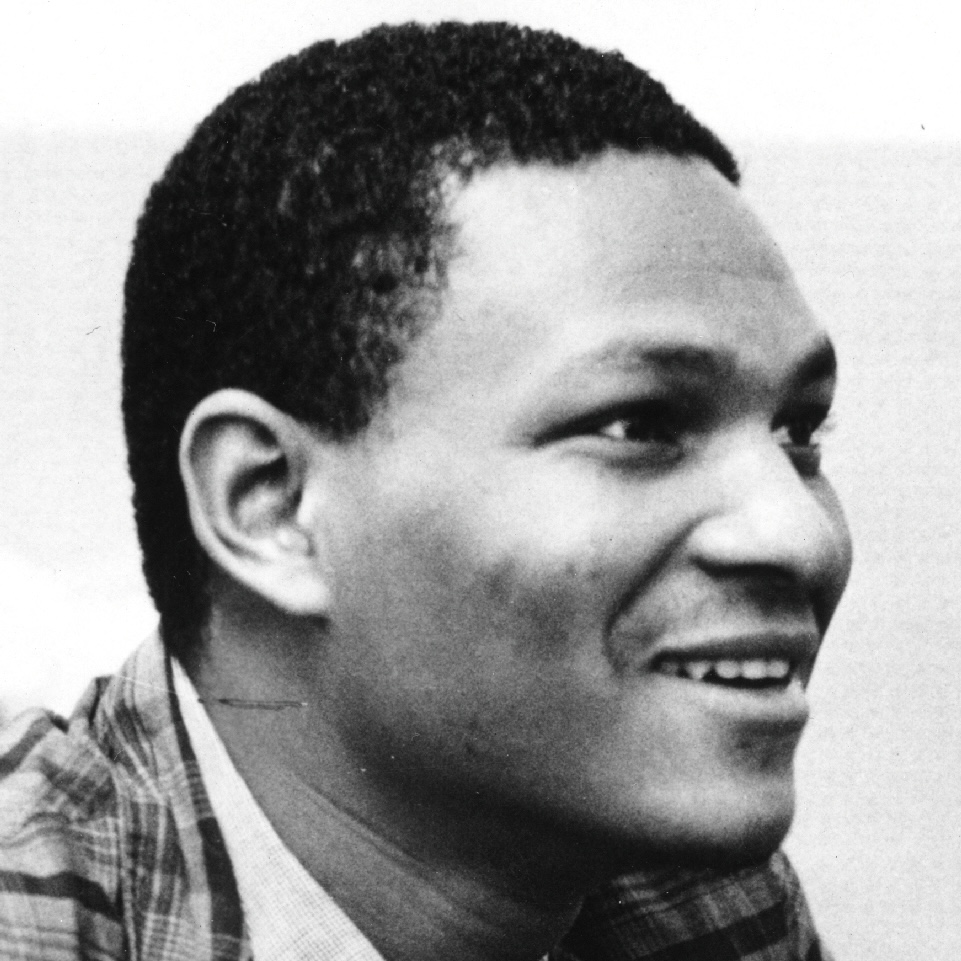
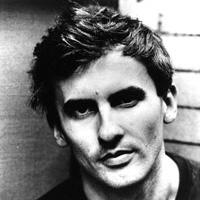
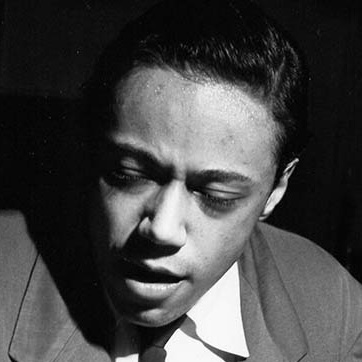
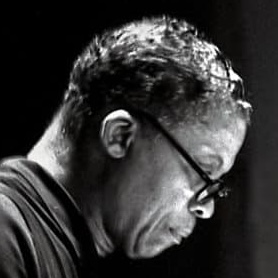
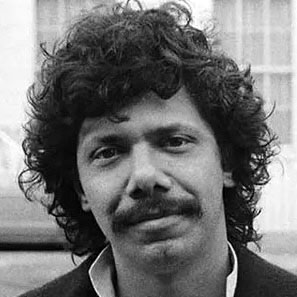 Chick Corea
Contributions to jazz
Chick Corea was a pioneer in jazz fusion, seamlessly blending jazz with rock, Latin, and funk elements. His work with Return to Forever in the 1970s helped define the fusion genre, introducing complex compositions, virtuosic solos, and electronic textures that expanded the sonic possibilities of jazz. He was also a prolific composer, writing pieces like “Spain”, “500 Miles High”, and “La Fiesta”, which became jazz standards and are still widely performed today.
Corea also contributed to jazz by fostering collaboration and innovation. He frequently brought together musicians from different backgrounds, encouraging experimentation in group settings. Beyond fusion, his projects in acoustic jazz, such as the Chick Corea Akoustic Band, reaffirmed his command of traditional jazz forms and his ability to innovate within them. His openness to cross-genre exploration inspired countless musicians to push the boundaries of jazz.
Contributions to jazz piano
As a jazz pianist, Chick Corea combined formidable technique with a restless, idea-driven approach to style. After the abstract, free-jazz language of Circle, his spiritual reorientation in the early 1970s led him toward a more melodic, rhythmic, and listener-centered pianism in Return to Forever, where Latin American influences, clear formal design, and singable themes came to the foreground. Drawing on bebop fluency, modal harmony, and quartal voicings—often on electric piano—Corea developed an open, percussive sound well suited to the instrument, recalling McCoy Tyner while extending the language into fusion. In later decades, his pianism expanded further to encompass classical composition and performance, including piano concertos and string quartets, reflecting a career-long commitment to following musical curiosity wherever it led. Like Herbie Hancock, Corea paired stylistic openness with exceptional organizational skill, forming ensembles and projects that allowed each new direction to fully materialize.
There’s incredible clarity in his playing; the ideas are well thought, well conceived, and structurally beautiful. They have beautiful shapes. You can see his humanity in them.
— Billy Childs