Biography
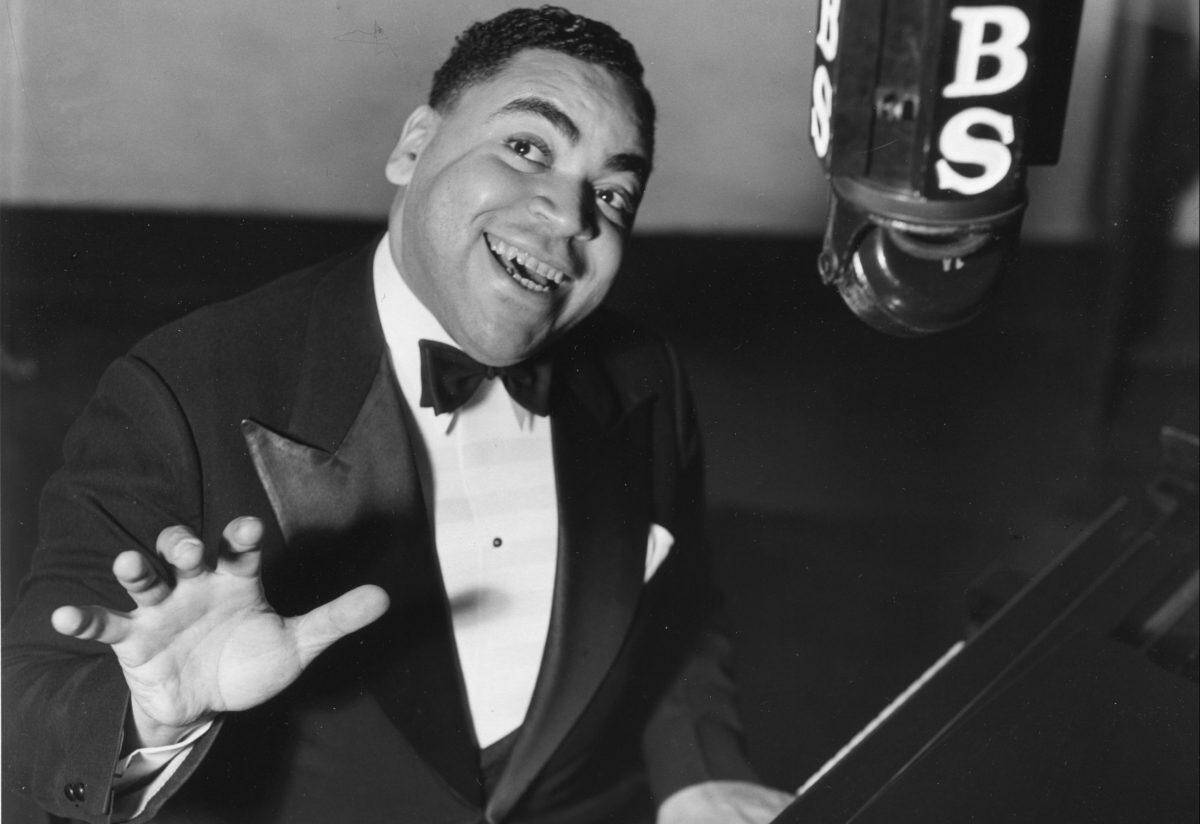
Thomas “Fats” Waller was born in New York City into a stable, working-class family rooted in the church. His mother, an organist, introduced him early to keyboard instruments, while his father, a Baptist minister, hoped he might pursue a religious path. A mischievous and quick-witted child, Waller became seriously interested in music by six and soon gravitated toward the piano, while also studying violin, bass, and organ—the instrument that would remain a lifelong passion.
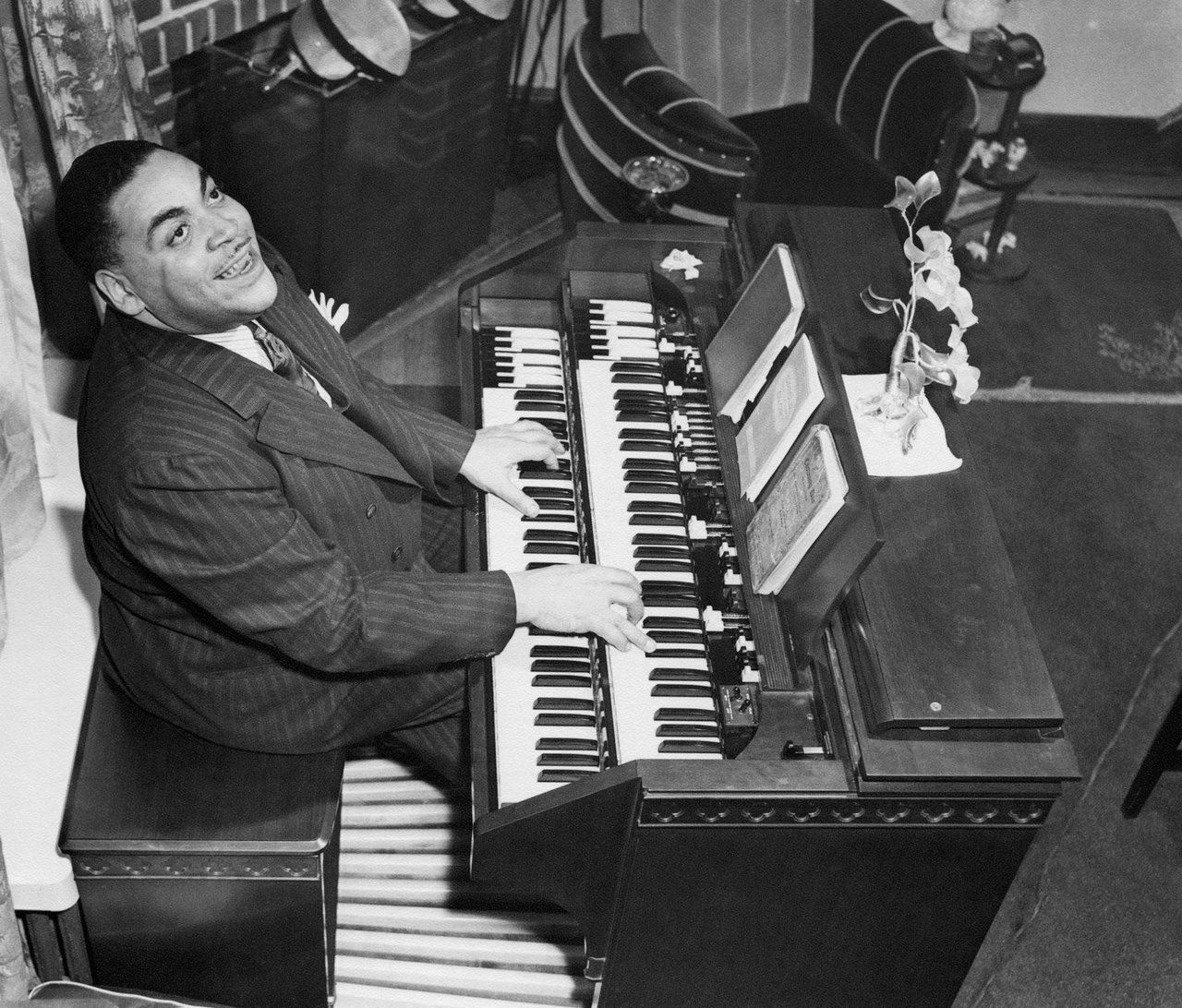
As a teenager, Waller left school to work professionally, playing organ for silent films at Harlem’s Lincoln Theatre and performing in neighborhood venues. He was drawn to the Harlem stride tradition and absorbed the styles of James P. Johnson and Willie “The Lion” Smith, using piano rolls to study Johnson’s technique so closely that Johnson eventually agreed to teach him. Waller became a fixture of the Harlem “shout circuit,” where his dazzling musicianship, rhythmic command, and comic flair made him constantly in demand. By the early 1920s he was recording, touring, and composing prolifically.
As his fame grew, Waller increasingly adopted the public persona of the entertainer and clown—a role that brought him immense popularity but sometimes obscured the depth of his musicianship. He possessed formidable technical skills and a serious compositional mind, yet he was marketed as a jovial comic figure. This tension between artistic ambition and commercial success shaped much of his career: Waller understood the demands of show business and met them brilliantly, even as his most searching musical impulses were not always fully realized or publicly recognized during his lifetime.
Influences
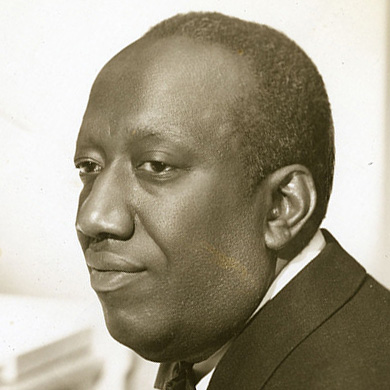
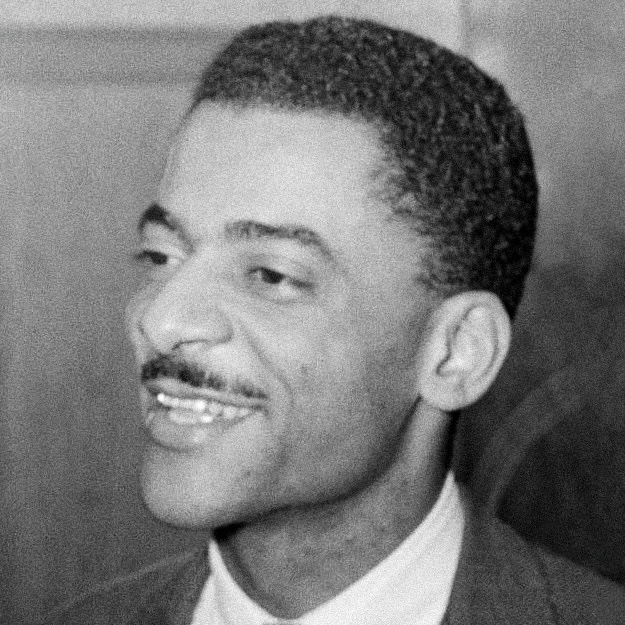
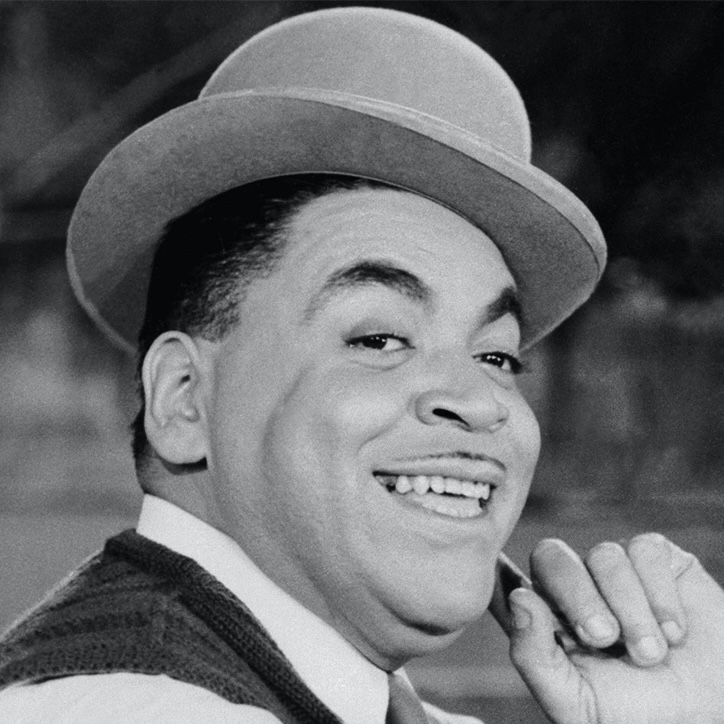 Fats Waller
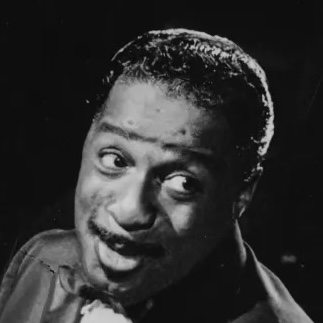
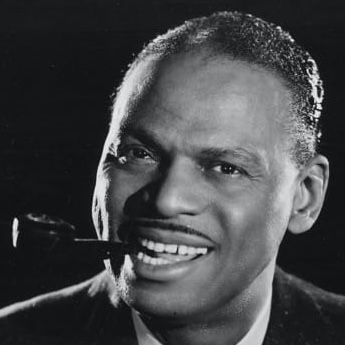
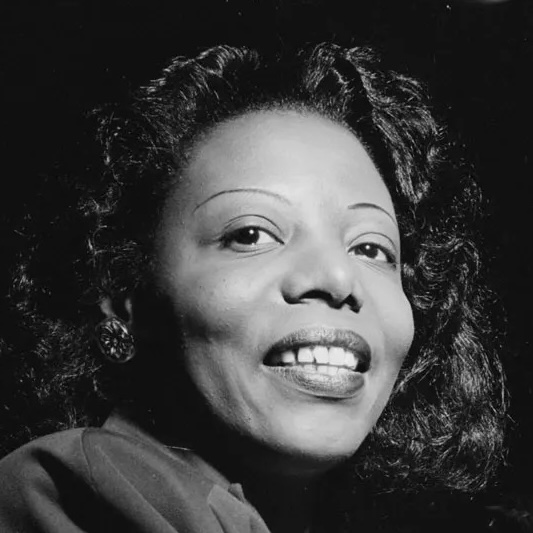
Contributions to jazz
Fats Waller was one of the most important popularizers of jazz during the interwar years. A natural entertainer, he brought jazz to radio, film, and Broadway with warmth, humor, and accessibility, helping introduce the music to a mass audience without sacrificing its rhythmic vitality or harmonic sophistication. His personality—boisterous, self-aware, and irresistibly funny—made him one of the most recognizable musicians of his era.
As a composer, Waller was extraordinarily prolific, writing hundreds of songs that became standards of the American songbook. Works such as “Ain’t Misbehavin’,” “Honeysuckle Rose,” “Squeeze Me,” and “Jitterbug Waltz” paired memorable melodies with inventive harmony and infectious swing. Though he often sold songs outright for modest sums, his music endured, shaping jazz repertory and later inspiring revivals such as the Broadway revue Ain’t Misbehavin’, which renewed appreciation for his legacy.
Contributions to jazz piano
Waller stands as one of the supreme masters of stride piano. Building on the powerful left-hand techniques of James P. Johnson, he combined rhythmic authority with a light, singing right hand and an unshakable sense of swing. His playing balanced virtuosity with clarity, elegance, and joy.
Listen
Although celebrated as a stride pianist, Waller regarded the pipe organ as his first love and spent much of his career trying to “tame” the instrument for jazz.
In 1928 Fats Waller and James P. Johnson teamed up on organ and piano in a musical revue called Keep Shufflin’. They recruited two musicians from the show1 to record under the name Louisiana Sugar Babies. The recording shows how successfully the group solved the inherent problems of the instrumentation.

-
Garvin Bushell (clarinet, alto saxophone, basson), Jabbo Smith (trumpet). ↩